ONERO VALVES
Views:16
Author: Site Editor
Update time:2024.12.12
Origin: Site


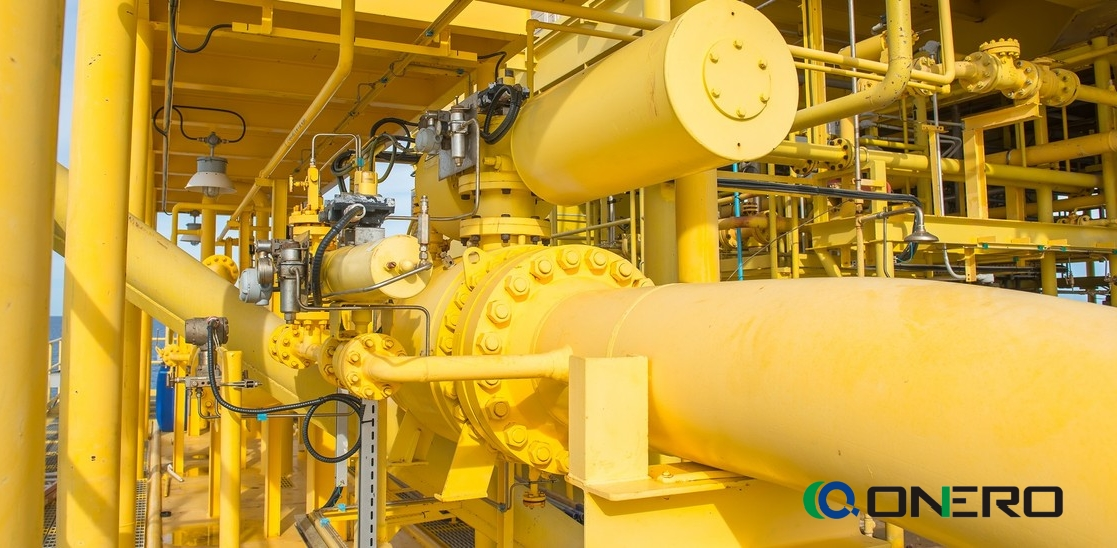
In oil pipeline systems, valve sealing behavior is something engineers keep an eye on throughout the entire lifecycle of a project. It is not a single design detail that can be checked once and ignored. In real field conditions, sealing performance is shaped by a mix of mechanical fit, material response, flow conditions, installation quality, and long term operational changes.
When pipelines run across long distances and different working environments, even small shifts in operating conditions can influence how sealing surfaces interact inside a valve body. That is why sealing behavior is usually discussed as a system response rather than a standalone component feature.
Pressure changes during operation
Pipeline pressure is rarely completely steady. It adjusts based on flow demand, pumping conditions, and system balancing requirements.
When pressure increases or decreases, the force acting on sealing surfaces changes as well. This shift does not usually cause immediate issues, but over time it can influence how evenly surfaces remain in contact.
Surface condition and contact quality
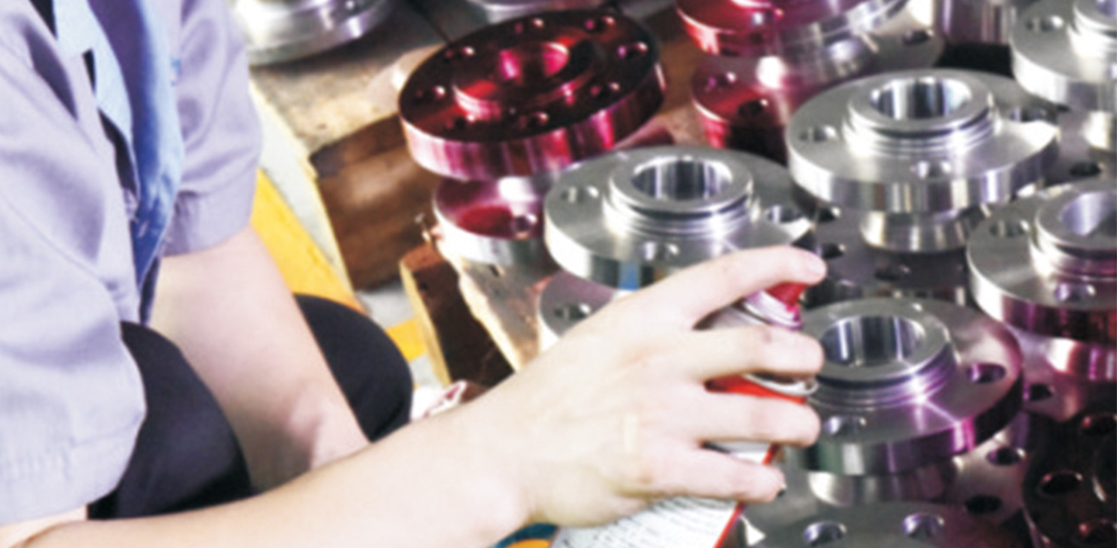
The actual contact surface inside a valve has a direct influence on sealing behavior. Even when design and materials are appropriate, surface condition still plays a role. In field applications, sealing stability is often linked to how consistent these surfaces remain after repeated use, rather than initial appearance.
Valve design and force distribution
The internal structure of a valve determines how force is applied during closing. This includes how components move, align, and come into contact.
If force distribution is balanced, sealing contact tends to remain more consistent. If the distribution is uneven, contact behavior may vary slightly during repeated operation.
Installation and pipeline alignment
Even well designed valves depend heavily on how they are installed in the pipeline system. Installation conditions can influence how external forces are transferred into the valve body.
In real projects, installation-related influences may include: Pipeline alignment accuracy; Support spacing and load balance; Stress introduced during connection, etc.
Flow behavior inside the system
Fluid movement inside a pipeline valve is not always perfectly uniform. Depending on system design and operating conditions, flow patterns can shift. These variations can affect how pressure is distributed around internal components. In some cases, localized flow changes may influence how surfaces interact during valve operation cycles.
Maintenance role in sealing consistency
Maintenance practices are part of keeping sealing behavior stable over time. Instead of reacting to issues, most pipeline systems rely on planned inspection and condition monitoring.
Typical field checks may include:
*Observing valve movement behavior
*Checking connection stability
*Reviewing sealing contact condition
*Monitoring system leakage indicators indirectly
Maintenance planning is usually based on operating history rather than fixed schedules alone.
Conclusion
From real engineering experience, sealing behavior in oil pipeline valves is not defined by one single factor. It is shaped by how multiple elements interact during operation. Instead of trying to control one variable, engineers usually focus on keeping the system stable as a whole. That includes material selection, structural balance, installation quality, and consistent maintenance practices. Over time, this combined approach helps maintain predictable sealing behavior under different working conditions.
ONERO’s engineers and specialists have decades of experience in correctly specifying and selecting valves and actuators to fit even the most challenging customer applications. Our experience working with all major actuator manufacturers, allows us to quickly and accurately specify the correct equipment needed to suite customers’ specific application needs.
Why sealing stability is important in oil transportation systems
Pipeline systems are built for continuous movement of fluid across long distances. Valves are installed at key points for isolation, control, and system safety functions. If sealing behavior becomes inconsistent, it can affect how the system is operated day to day. In real applications, it is not about a single failure point, but more about how predictable the system remains during long term use.
Main factors influencing sealing behavior
Instead of treating sealing performance as one single issue, it is better understood as a combination of several engineering and operational influences working together.
Material interaction under working conditions
Inside a valve, sealing surfaces are in repeated contact. The way these materials behave under pressure and fluid exposure plays a major role in long term sealing behavior.
In real engineering practice, material pairing is chosen to maintain stable behavior rather than focusing on short term performance.
E-mail: sales@onero-valves.com
Mobile: +86-18969707152
Address:Fengyu Village, Huangtian Street, Yongjia County, Zhejiang Province, China.
Copyright © ONERO VALVES. All rights reserved Privacy Notice | Privacy Policy | XML | Sitemap

 English
 简体中文
简体中文