ONERO VALVES
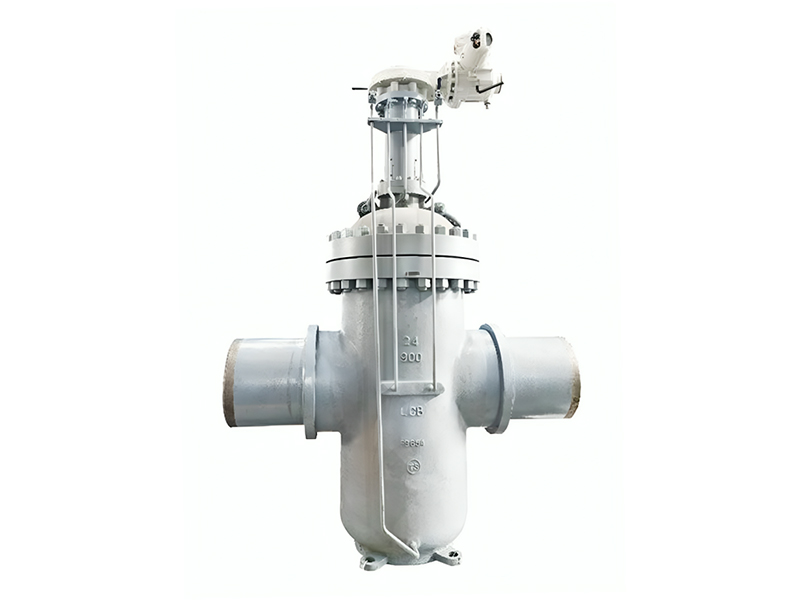
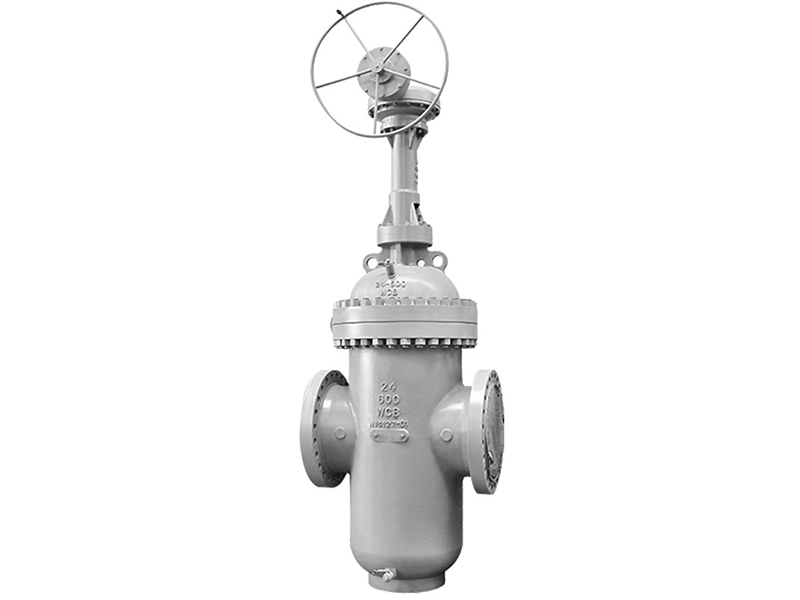
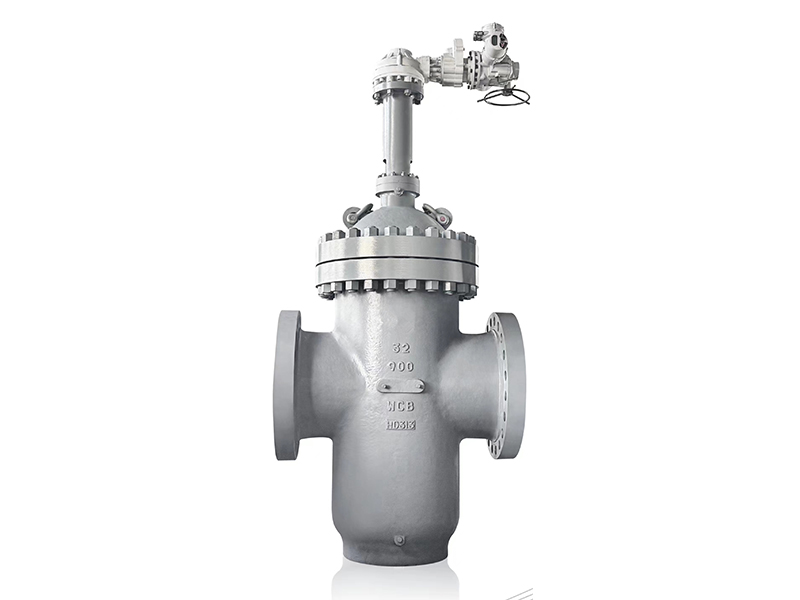
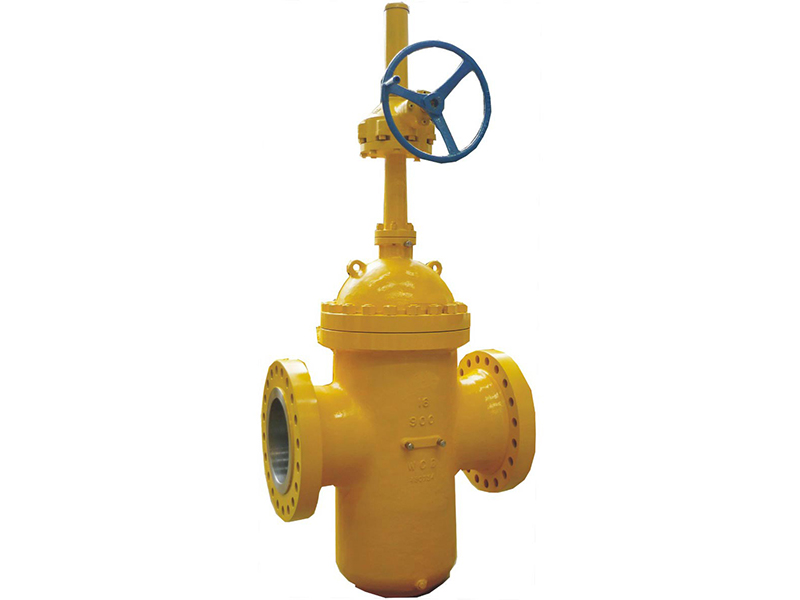
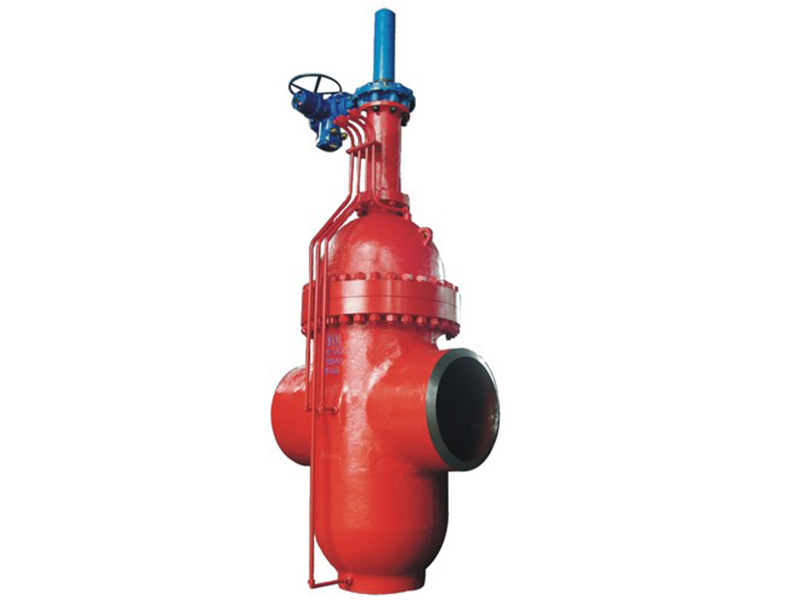


API 6D Through Conduit Slab Gate Valve
ONERO API 6D Through Conduit Slab Gate Valve is a product with new structure, which has small open-and-close moment, high speed, little vibration, long performance life and reliable operation. It is mainly applied to cut-off or discharge of gas and liquid delivery pipelines.
Application
API 6D Through conduit gate valves are typically suitable for wet, sour, liquid or gaseous hydrocarbon services. It is widely applicable for transmission pipeline system of natural gas 、oil products and chemical engineering.
Technical specification
Design & manufacturing standard as per API 6D
Face to face standard as per ASME B16.10 / API 6D
Fanged ends standard as per ASME B16.5 / MSS-SP-44
Testing & inspection standard as per API598 / API 6D
Product Range
· Body material: Carbon steel, Stainless steel, Alloy steel ,Monel, Duplex, Inconel
· Size range(s):1/2"~48"
· Pressure rating: Class150~Class 2500
· End connection: RF, RTJ, BW
· Working temperature: -46℃~+200℃
· Mode of operation: Hand wheel, gear box, Electric , Pneumatic , etc.
Design Features
· Full bore port for pigging and reduced pressure drop
· Full protected seat sealing faces
· Double block and bleed capability
· Tight mechanical seal fo high / low pressure
· Internal cavity pressure relief
· Sealant injectors for seats and stem
· Bi-directional
Through conduit slab gate valve
ONERO Through conduit slab type gate valves are an excellent choice for off-shore and pipeline applications. The slab gate valve designed to meet API 6D specification. Full bore design, suitable for pigging. Our product designed to allow in-line valve maintenance. The stem is completely covered during valve operation.
ONERO API 6D Through Conduit Slab Gate Valve is a product with new structure, which has small open-and-close moment, high speed, little vibration, long performance life and reliable operation. The Through conduit gate valves are widely applicable for transmission pipeline system of natural gas 、oil products and chemical engineering.
E-mail: sales@onero-valves.com
Mobile: +86-18969707152
Address:Fengyu Village, Huangtian Street, Yongjia County, Zhejiang Province, China.
Copyright © ONERO VALVES. All rights reserved Privacy Notice | Privacy Policy | XML | Sitemap

 English
 简体中文
简体中文 Products